Tracking down rare vintage audio components and parts
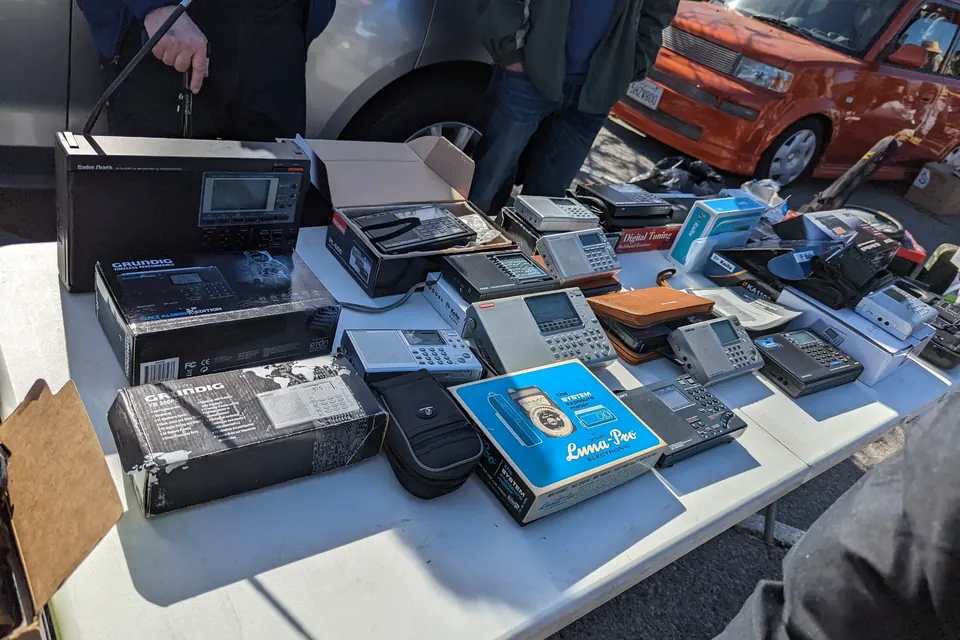
A table of vintage portables at an electronics swap meet. Many rare parts change hands this way. Photo: leighklotz, Wikimedia Commons, CC BY 2.0.

Sooner or later every vintage audio owner needs something that is no longer made: a knob, a meter, a tape head, a particular model to complete a system. Finding it is partly luck, but mostly method: knowing precisely what you are looking for, searching where it is likely to appear, and checking it before money changes hands.
Define exactly what you need
"A pinch roller for my deck" is a search that fails. "The pinch roller assembly for model X, serial range Y, part number Z from the service manual parts list" is one that succeeds.
- Find the part number in the service manual. Manufacturers often used the same part across several models; the number reveals them.
- Measure and photograph the old part: dimensions, markings, connector type, the side that faces up.
- Check revisions. Service bulletins and owner groups record changes made during production. Your unit may have the later part.
- Decide what is acceptable: original new old stock, a used original, a modern equivalent, or a reproduction.
Where rare items turn up
- Online marketplaces and auction sites, with saved searches on the model number, the part number and common misspellings. Listings often use the wrong name; search for what the part looks like as well.
- Owner clubs and forums for a brand or model. Members sell spares, know who has a parts donor, and can tell you which substitutes work.
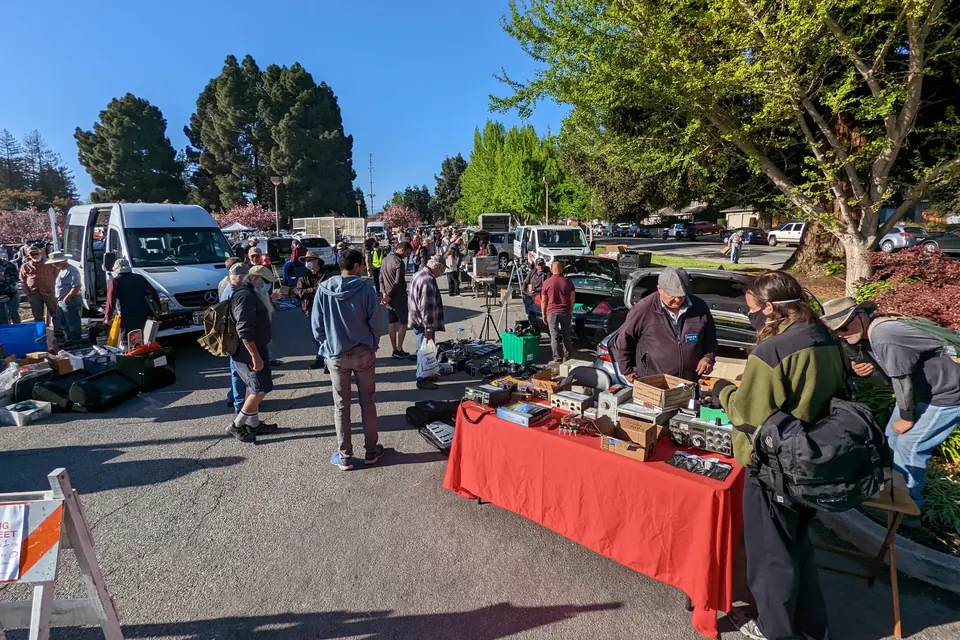
- Swap meets, radio club sales and electronics flea markets. Bring the old part or a photo and measurements.
- Repair technicians and restorers, who often keep stock from units beyond repair.
- Estate sales and local classifieds, where whole systems appear, often with manuals and boxes.
- Electronic component distributors for generic parts: many resistors, capacitors, transistors, relays, switches and lamps have modern equivalents.
Keep a wanted list, and say what you need
Rare parts tend to appear briefly and sell quickly, so it pays to be ready. Keep a short written list of what you are looking for, with part numbers, photos and the price you consider fair, so you can decide in minutes when something turns up. Post a polite "wanted" note in the owner club or forum for your model: many spares never reach a public listing because the owner simply does not know someone needs them. Be specific, say whether a used part in good condition is acceptable, and offer to cover postage. When a seller asks what the part is for, say so; it helps them check they have the right one.
Patience also protects you from overpaying. Prices for the same part can vary widely, and the first listing you see is rarely the only one that will ever appear.
Parts donors
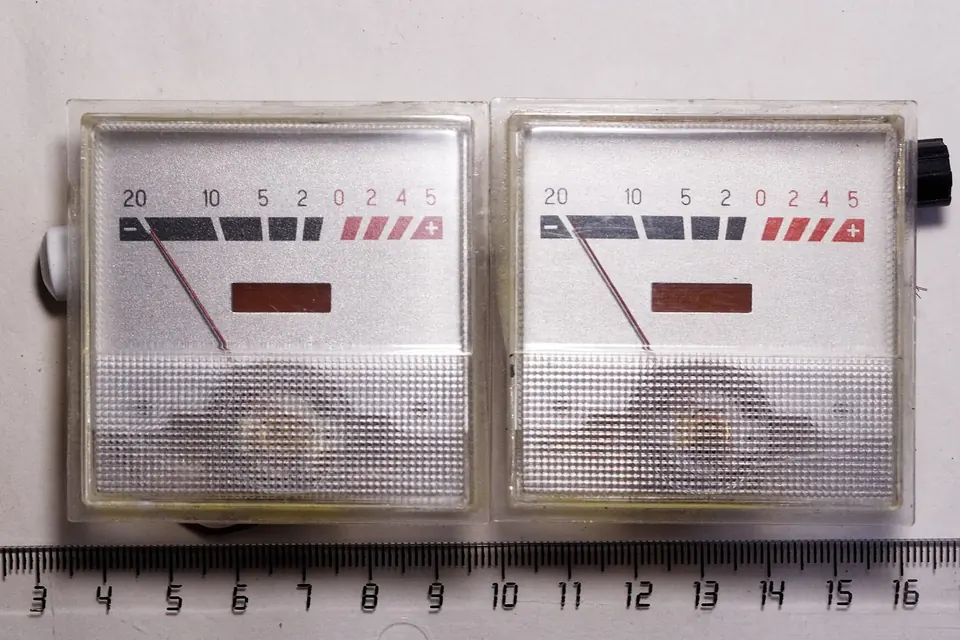
A non-working unit of the same model can be worth buying for one part. It is a common way to find cosmetic pieces such as knobs, meters, dial glass and wooden cases, and mechanical parts. Buy the donor with your target part clearly visible in photos, ask about smoking or damp storage (smell travels with the parts), and remember that a donor's heads, belts or capacitors are just as old as your own.
Cross-referencing components
For semiconductors and tubes, published data sheets let you compare ratings and pinouts. A substitute must meet or exceed the original's voltage, current and power ratings and, for transistors, have a compatible gain, frequency response and pin order. For audio-path parts, matching characteristics matters as much as ratings. Owner groups often document tested substitutes for common devices; that is more reliable than a general cross-reference table.
Counterfeit parts
Fake or remarked semiconductors are common on marketplaces, especially for sought-after output transistors and op-amps. Buy critical parts from authorised distributors where they are still made; for discontinued devices, buy from sellers known in the community, and test before installing. A fake output transistor can fail and take the rest of the output stage with it.
Reproduction and remanufactured parts
For popular models, enthusiasts and small firms make reproduction parts: belts, pinch rollers, idler tyres, foam speaker surrounds, lamps and LED boards, knobs and even meter faces. Quality varies. Ask for reviews from other owners and, for anything in the tape path, check the material and size precisely. Rebuilt rubber parts are often better than decades-old "new old stock", which may have hardened in its packaging.
Checking a find before you pay
- Ask for clear photos of the actual item, including part numbers, connectors and any damage.
- Compare with your manual and with photos from owner groups.
- For a complete unit, ask the questions in our buyer's guide, and test in person where possible.
- Pay with a method that offers protection, and be wary of prices that are far below the going rate for a rare item.
- Keep the conversation and the listing: they are your evidence if the item is not as described.
Being a good member of the hobby
Many hard-to-find parts survive because someone kept them and passed them on. When you finish a repair, offer your spare parts to the next owner who needs them, share what substitutes worked, and keep notes with the equipment. It is how a community keeps old machines running.
Sources
- Frank Philipp's Electron Tube Data Sheets archive (tube data for cross-referencing).
- Internet Archive, Manuals collection, and World Radio History, electronics publications archive (parts lists, catalogues).
- U.S. Government Accountability Office, DOD Supply Chain: Suspect Counterfeit Electronic Parts Can Be Found on Internet Purchasing Platforms (GAO-12-375), 2012: none of the sixteen parts its investigators bought from online vendors proved legitimate.
Buying used vintage hi-fi
Research the model, test what you can, budget for service, and know when to walk away.
 On the bench
Service manuals and schematics
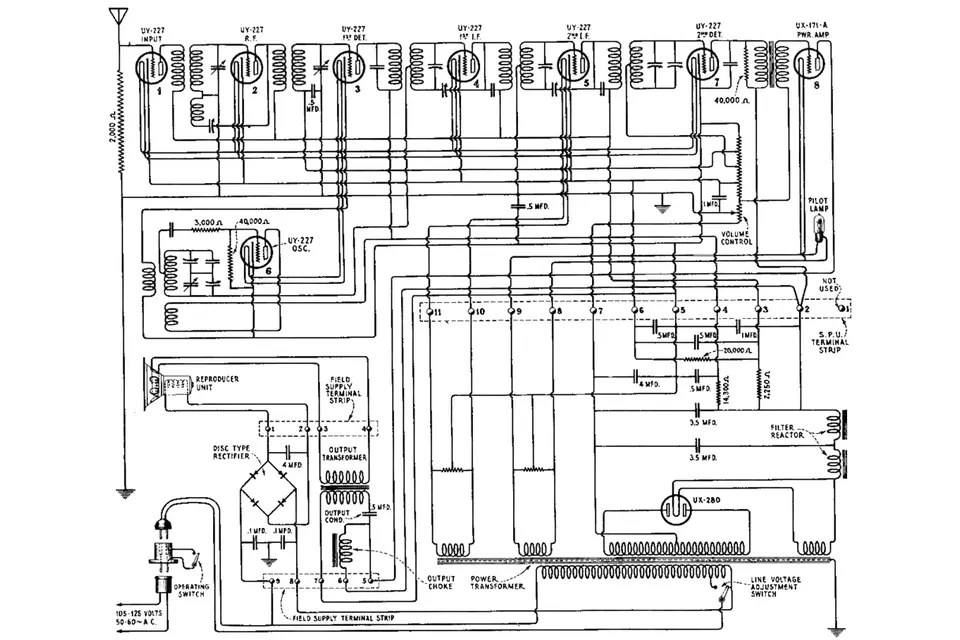
Where legitimate copies live, what a service manual contains, and how to read a schematic.
The makers behind classic hi-fi
Six manufacturers, their landmark products, and what their names mean on the used market.