On the bench
What wears out in vintage amplifiers, receivers and decks, how vacuum tubes work in hi-fi, and the service documents that explain it all.
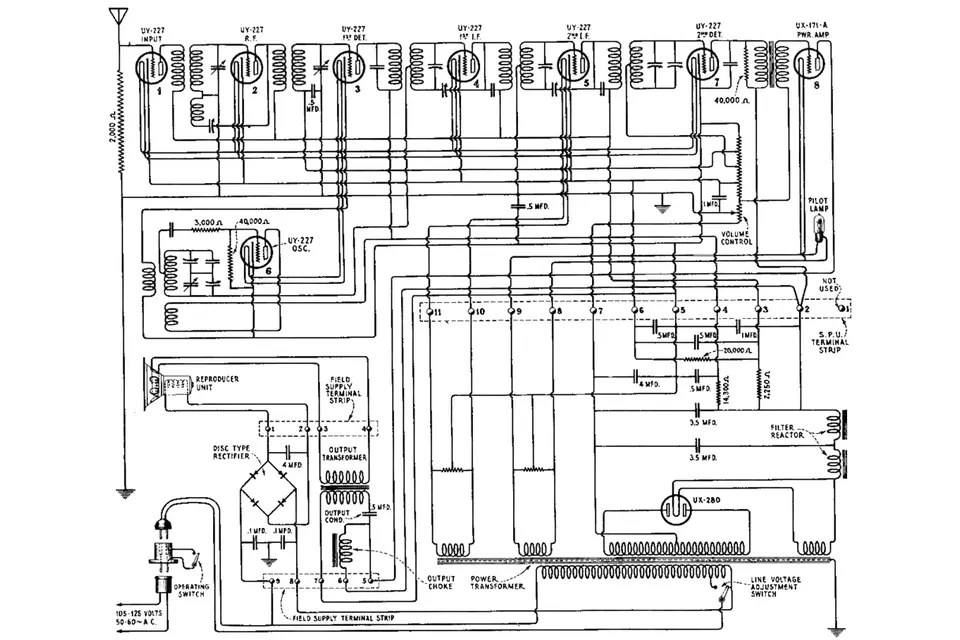
- Finding and reading service manuals and schematics for vintage audio
Where to find owner's and service manuals for old hi-fi legitimately, what each kind of document contains, how to read a schematic, parts list and adjustment procedure, and how to respect copyright while sharing.
- Hum and buzz in a hi-fi system: tracing the source and fixing ground loops safely
A methodical way to track down hum and buzz in a vintage or modern hi-fi: telling hum from buzz, testing the amplifier on its own, adding sources one at a time, recognising ground loops from aerials, computers and turntables, safe fixes, and faults that need the bench.
- Reviving a vintage turntable: belts, speed, stylus, arm set-up and the phono stage
How to bring an old record deck back into use without harming your records: drive types and what wears in each, checking speed, the main bearing and the cueing lift, inspecting the cartridge and stylus, setting tracking force, anti-skate and alignment, and connecting it to a proper phono stage.
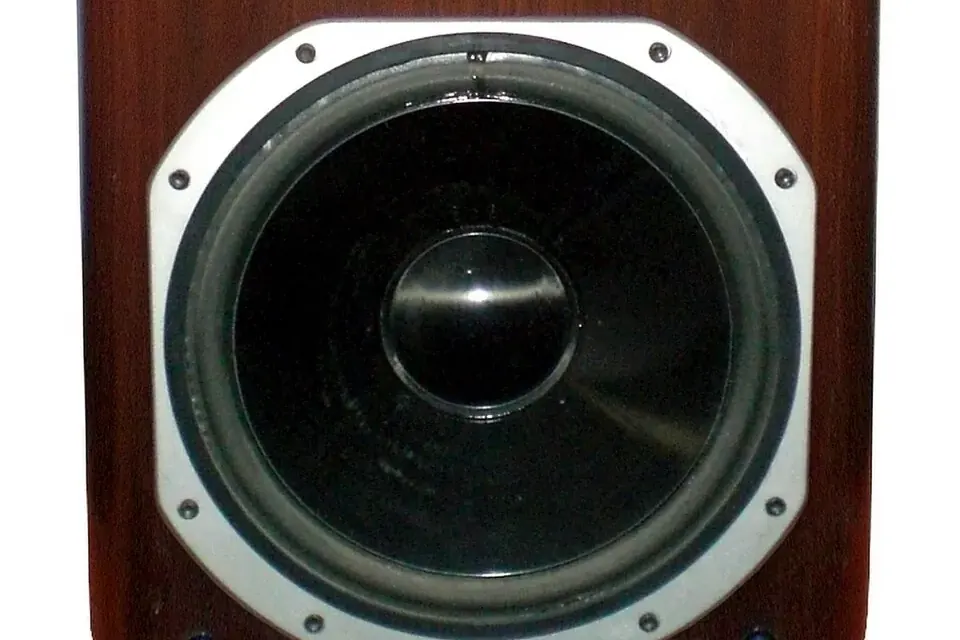
- Rotted speaker foam surrounds: how to spot them and re-foam a vintage woofer
Why the foam edges of old woofers crumble, how to tell foam from rubber and cloth surrounds, choosing the right replacement, removing the old foam, centring the voice coil, gluing, testing for rub, and when re-coning or a professional repair makes more sense.
- Vacuum tubes in hi-fi: common types, matching, testing and bias
A practical introduction to valves in audio equipment: what preamp, power and rectifier tubes do, the types you will meet (12AX7, EL34, 6L6GC, KT88, EL84, 300B and others), matched pairs, testers, fixed and cathode bias, signs of a failing tube, and the high-voltage safety rules.
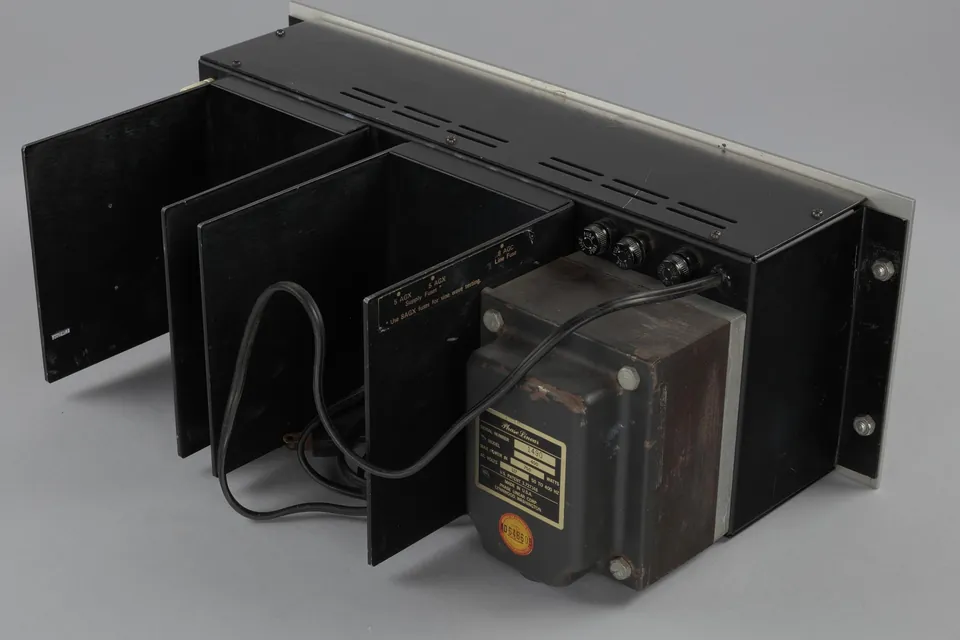
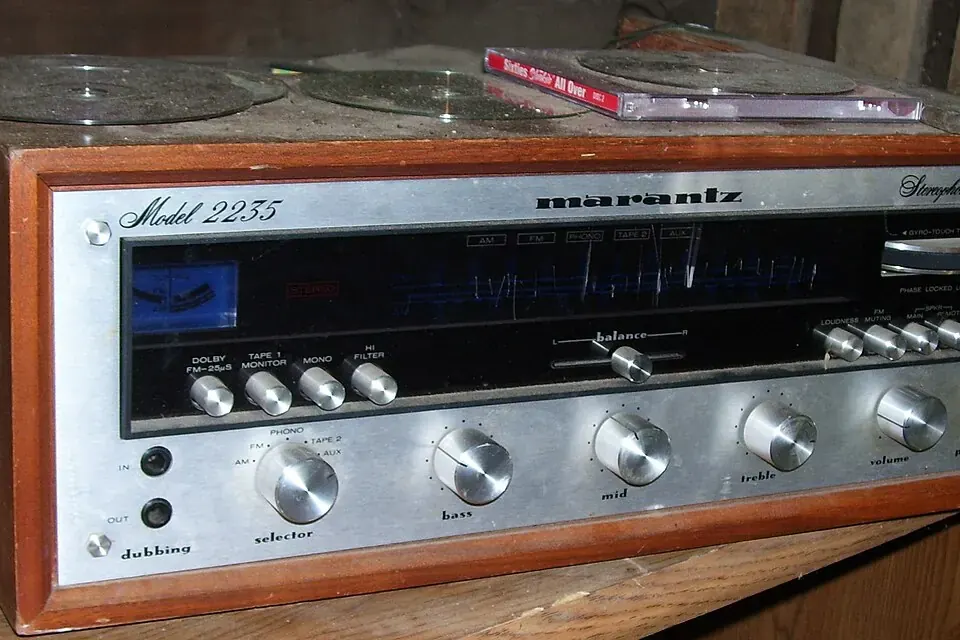
- What fails in vintage amplifiers, receivers and tape decks, and what to do about it
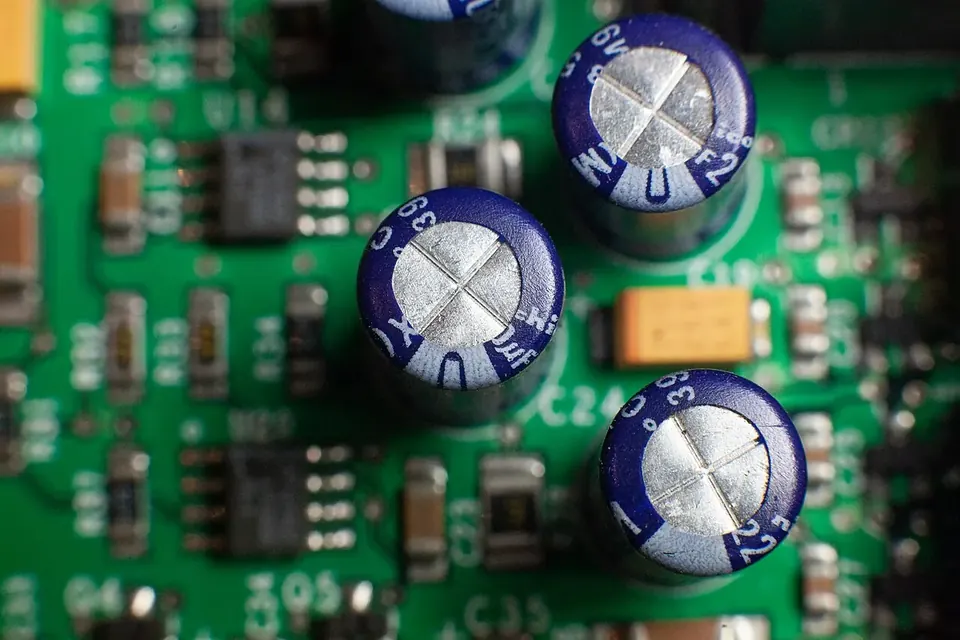
The usual faults in 1960s to 1990s hi-fi: dried electrolytic capacitors, scratchy controls and switches, dirty relays, perished belts and idlers, lamps and drifting bias. What recapping really means, what to leave to a technician, and the safety rules that come first.