Buying a reel-to-reel tape deck: what to check, and what it will cost to keep
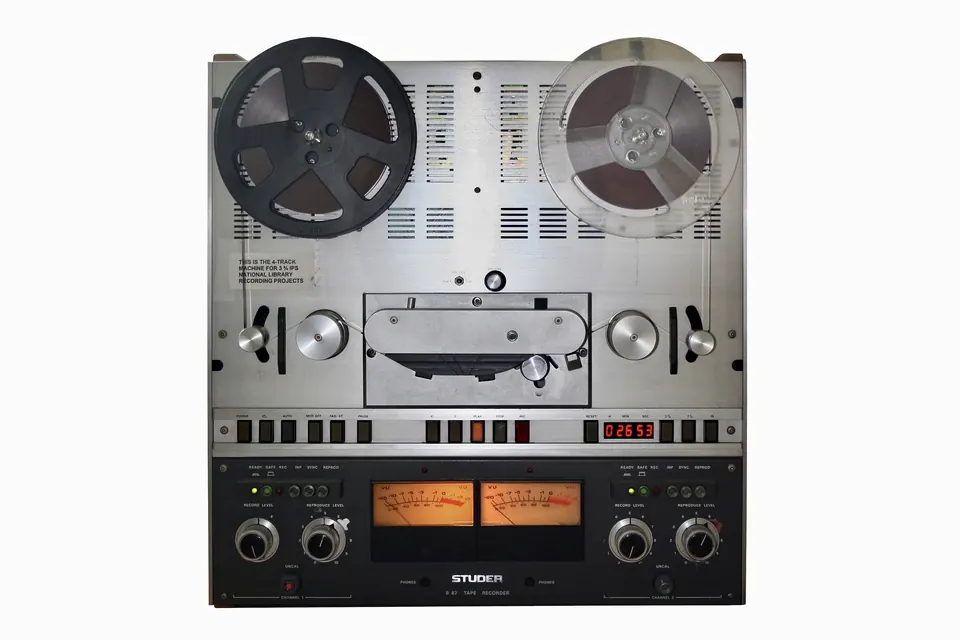
A Studer B67, a professional machine of the late 1970s, with seven-inch reels mounted. Photo: Robert Taylor from Stirling, ON, Canada, Wikimedia Commons, CC BY 2.0.

Reel-to-reel decks are beautiful machines and demanding ones. A good one can play tapes better than almost anything; a tired one can damage them. Before looking at a deck, decide what you want it for, because that decides the track format, speed and reel size you need.
Decide what the deck is for
- Transferring family tapes: most home tapes from the 1960s onwards are quarter-track stereo at 3¾ or 7½ ips on seven-inch or smaller reels. A quarter-track deck with those speeds covers the majority.
- Playing modern or studio "master" copies: these are typically half-track (two-track) at 15 ips, often on ten-and-a-half-inch reels with NAB hubs. You need a half-track machine that takes large reels.
- Recording: you will need a deck with working record electronics, and tape that the deck can be calibrated for.
A half-track deck plays a quarter-track tape incorrectly (both directions at once), and vice versa a quarter-track head reads only part of a half-track recording. Some machines have interchangeable head blocks or an extra playback head; check exactly which head configuration a given unit has.
Reel sizes, hubs and consumer versus professional
Open reels come mainly in three sizes for quarter-inch tape: five, seven and ten-and-a-half inches. Home decks usually take reels up to seven inches; larger home and most professional machines also take ten-and-a-half-inch reels, which normally have a large central NAB hub and need a pair of NAB adapters to fit the deck's spindles. Small reels with a three-pronged centre hole are often called cine reels. If you have a stack of ten-inch tapes, a seven-inch deck cannot play them without rewinding onto smaller reels, which adds handling and risk.
Consumer machines were built to a price and a weight, often with many plastic parts and features such as auto-reverse. Professional machines are heavier, usually simpler to align, better documented and designed to be serviced, but they can be large, need a strong table, and may have balanced inputs and outputs that need the right cables. Semi-professional models sit between the two. None of these categories guarantees condition: a well-kept consumer deck is a better buy than a tired studio machine.
The heads
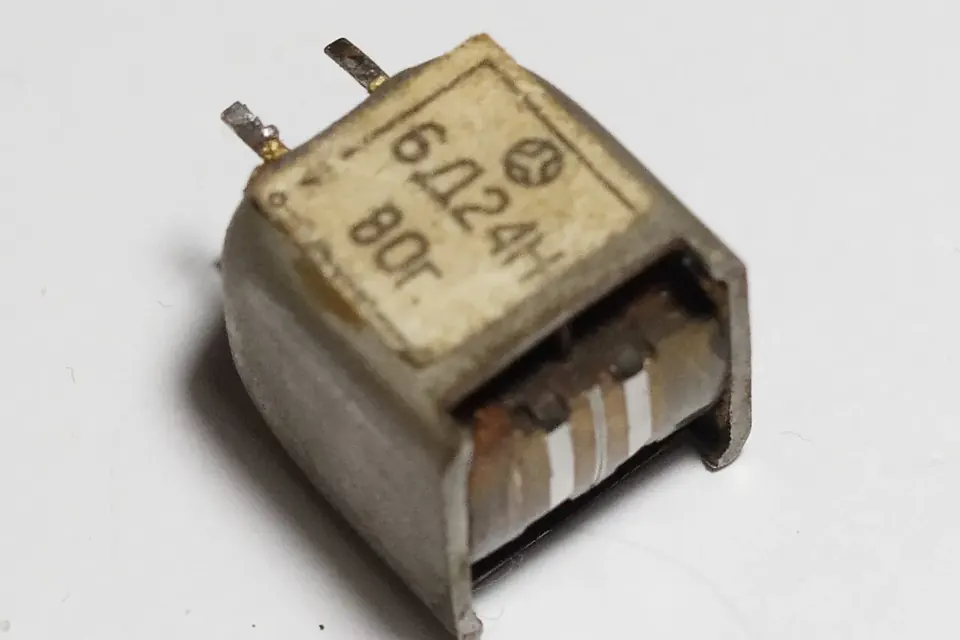
Heads are the most expensive part to replace, and on some models replacements are no longer made. Look at them closely with a torch:
- The face should be smooth and evenly shiny. A visible flat band with a step at its edges, or a groove where the tape runs, means wear.
- Look for chips and for brown oxide deposits. Deposits clean off; chips do not.
- Uneven wear across the width suggests the tape path was misaligned.
Moderate wear is normal and a worn head can sometimes be relapped by specialists; heavy wear reduces high frequencies and output, especially in playback.
Transport: pinch roller, brakes and tension
The transport moves the tape. A fault here is what damages tapes.
- Pinch roller: it should be slightly soft and matte, not glazed, cracked, sticky or out of round. A bad roller causes speed instability and can pull the tape off its path.
- Capstan: clean and smooth, without a groove.
- Brakes: stopping from fast wind should be firm and even, without loops forming or the tape snapping tight. Weak or uneven brakes spill or stretch tape.
- Tension: in play, the tape should pass the heads with steady contact. Listen for even sound and watch the tension arms if the deck has them.
- Winding: fast-forward and rewind a full reel. The wound pack should be smooth.
- Motors: listen for grinding, squeal or hesitation at start.
Use a sacrificial tape
Test any unknown deck with a tape you do not care about. Never let a seller's machine, or your new purchase, play an irreplaceable reel until it has proved itself over a full wind, a full play and several stops.
Electronics and meters
Play a known recording and check both channels for noise, crackle and balance. On decks with record electronics, record a little of a music source and compare source and tape monitor if the machine has a third head. Turn every switch and knob: scratchy level controls and speed or EQ switches are common and usually curable, but intermittent channels may hide failing components. VU meters should move smoothly and return to rest; lamps are often out and are a small job.
What should come with it
- At least one empty take-up reel of the right size, and NAB adapters if the deck takes large reels.
- Covers or dust lids if the model had them, and the original transport locks or packing for shipping.
- The owner's manual. The service manual is a bonus worth asking about.
- Remote controls or special cables if the model depends on them.
Running costs to expect
Even a healthy deck needs regular cleaning and demagnetising and, over time, new belts, pinch rollers and sometimes motor or brake work. Professional machines are often simpler to service and better documented; consumer machines are lighter, cheaper and more common. Before buying an unusual model, ask a local technician whether they work on it and whether parts are available. The repair guide describes typical jobs.
Questions to ask the seller
- When was it last used and last serviced, and by whom?
- Head configuration: quarter-track, half-track, or both?
- Which speeds and reel sizes does it handle?
- Has it been converted for a different mains voltage, or is it set for yours?
- Can you watch a full play, a fast wind and a stop with a test tape?
Once you have one, read how to transfer tapes properly, starting with the checks before you press play.
Sources
- Library of Congress, Care, Handling, and Storage of Audio Visual Materials (handling reels and tape).
- John W. C. Van Bogart, Magnetic Tape Storage and Handling, CLIR, 1995 (tape pack, tension and wear).
- IASA, IASA-TC 04 guidelines (replay equipment and track formats for preservation transfer).
- Owner's and service manuals of the deck concerned (head configuration, speeds, transport adjustments).
 Recording & transfer
Reel-to-reel and cassette to digital
Check the tape first, set azimuth by ear, decode noise reduction correctly, capture at 24 bits.

Buying used vintage hi-fi
Research the model, test what you can, budget for service, and know when to walk away.
The makers behind classic hi-fi
Six manufacturers, their landmark products, and what their names mean on the used market.